
How to keep cut flowers fresh for a fortnight
Supermarket bouquets die in four days and studio bouquets last two weeks. The difference is three boring steps — here's all of them.
Every bouquet we've ever sent out of this studio goes through the same three steps before it reaches a bench. None of them are exotic. All of them get skipped at home, which is why your flowers look sad by Tuesday.
1. Cut properly, and re-cut often
Stems seal over fast — within an hour of cutting, the end starts healing shut like a wound. That's why flowers arrive home already thirsty. Re-cut 2–3cm off every stem at a 45-degree angle before they go anywhere near the vase. Sharp secateurs or a sharp knife; kitchen scissors crush the vessels you're trying to open.
Repeat every two or three days when you change the water. Yes, really — the ends seal again.

2. Strip every leaf below the waterline
Leaves sitting in water are a bacteria farm. Within 48 hours the water turns cloudy, the bacteria blocks the stem, and your flowers drink their own swamp water. Strip everything that would sit underwater. Ten minutes of fiddly work buys you a week.
3. Water matters more than you think
- Clean vase. Wash it like a drinking glass, not a plant pot. Bacteria from last week's bouquet is still in there.
- Cold-ish water, changed every 2–3 days. Top-ups don't count — bacteria lives in the water itself.
- Flower food actually works. The sachet is sugar, acid and bleach in the right ratio — DIY versions (a drop of bleach, a pinch of sugar, squeeze of lemon) get you 80% there.
Where to put the vase
Away from sun, heaters and the fruit bowl. Ripening fruit pumps out ethylene gas that ages flowers fast — the number-one reason kitchen bouquets die young. Move it to the hallway and watch what happens.
A bouquet is a living thing doing its best. Give it clean water and an open straw and it will outlast your expectations.
Come try this on real stems — our bouquet class teaches conditioning hands-on, and your flowers come home already prepped.
Meanwhile, at the bench
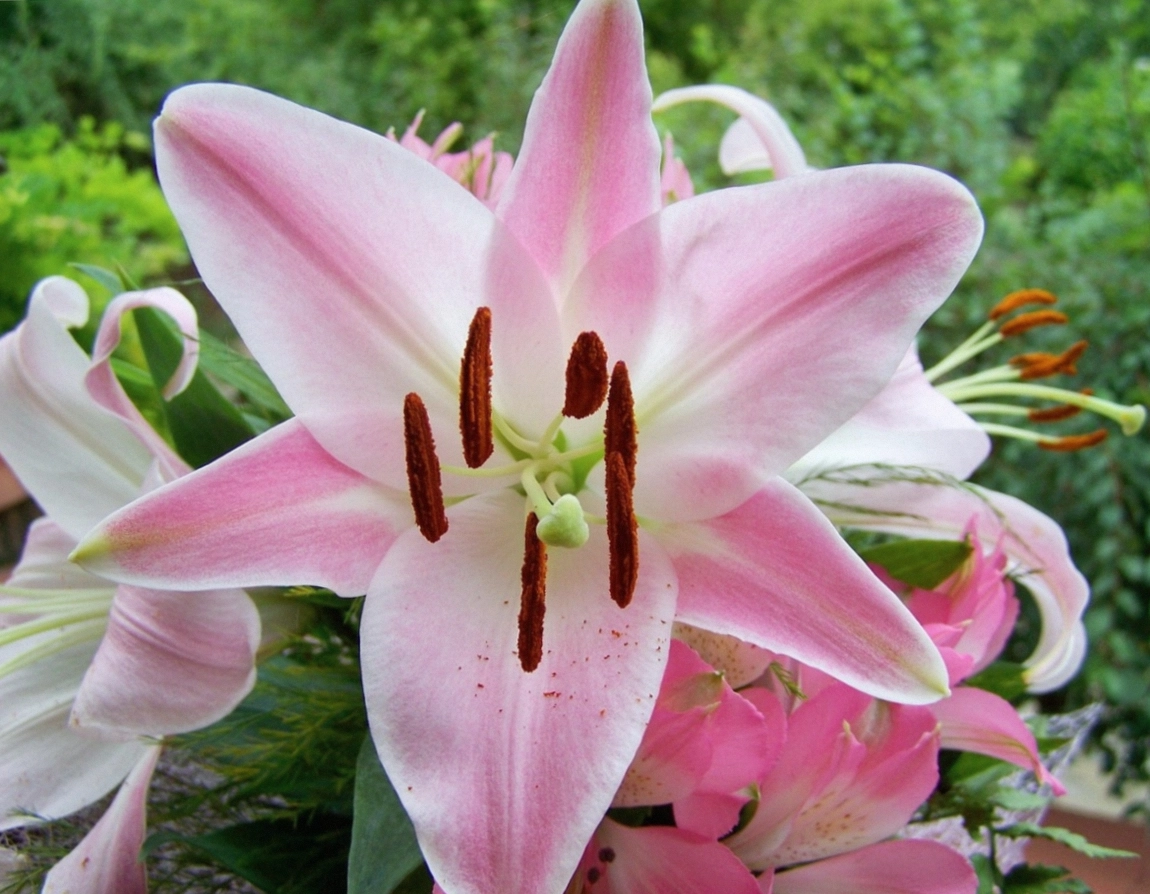
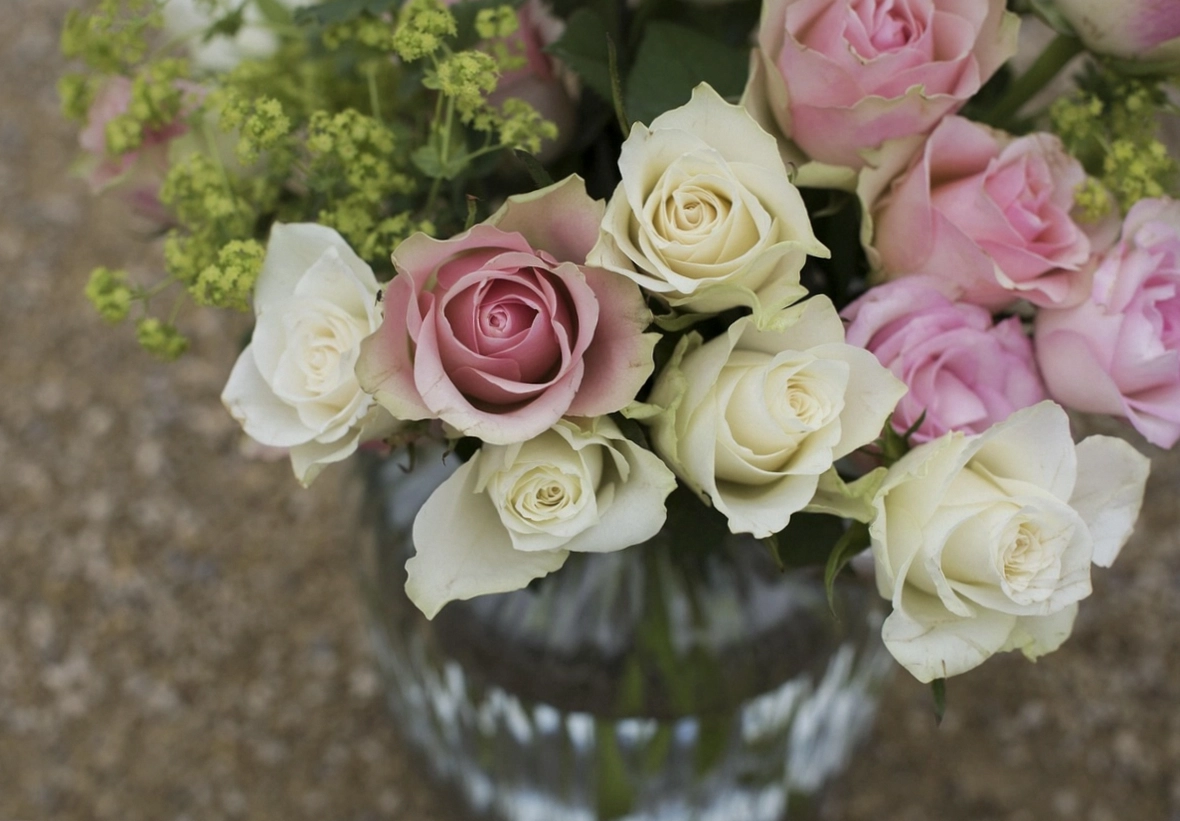
This week's studio floor — the same stems and benches we write about.

“Re-cut, strip, clean water. That's 90% of flower care. The rest is keeping them away from your bananas.
Cheat sheet
- Re-cut stems at 45° every 2–3 days
- Zero leaves below the waterline
- Fresh water, not top-ups
- Keep away from sun, heaters & fruit bowls
Questions we get about this
Amelia Hart
Founder & lead tutor — has conditioned roughly a million stems
Learn it at the bench
Reading about conditioning is one thing — doing it with 40 stems and a tutor beside you is another. The bouquet class covers all of it.